Category Archives: Blog

Upgrading Heating Systems in Educational Buildings

Educational buildings require reliable, efficient heating systems to maintain comfortable learning environments throughout the year.

Upgrading outdated systems improves energy efficiency, reduces operational costs, and enhances overall building performance.

Modern installations often involve replacing traditional systems with more efficient LTHW networks, integrated with updated emitters and controls.

These projects require careful planning to minimise disruption within live school environments, often carried out during holiday periods or phased works.

The result is a more efficient, reliable system that supports both comfort and sustainability targets.
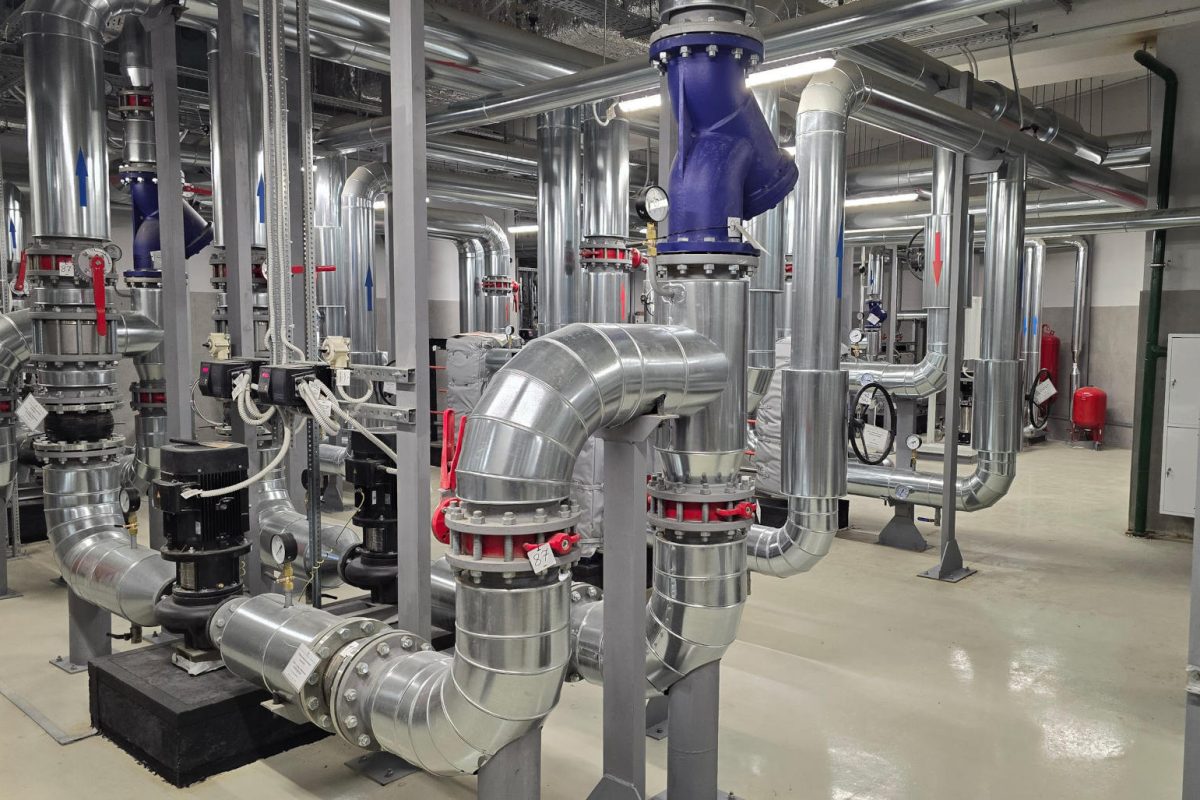
Vertical Riser Installations in Multi-Storey Buildings

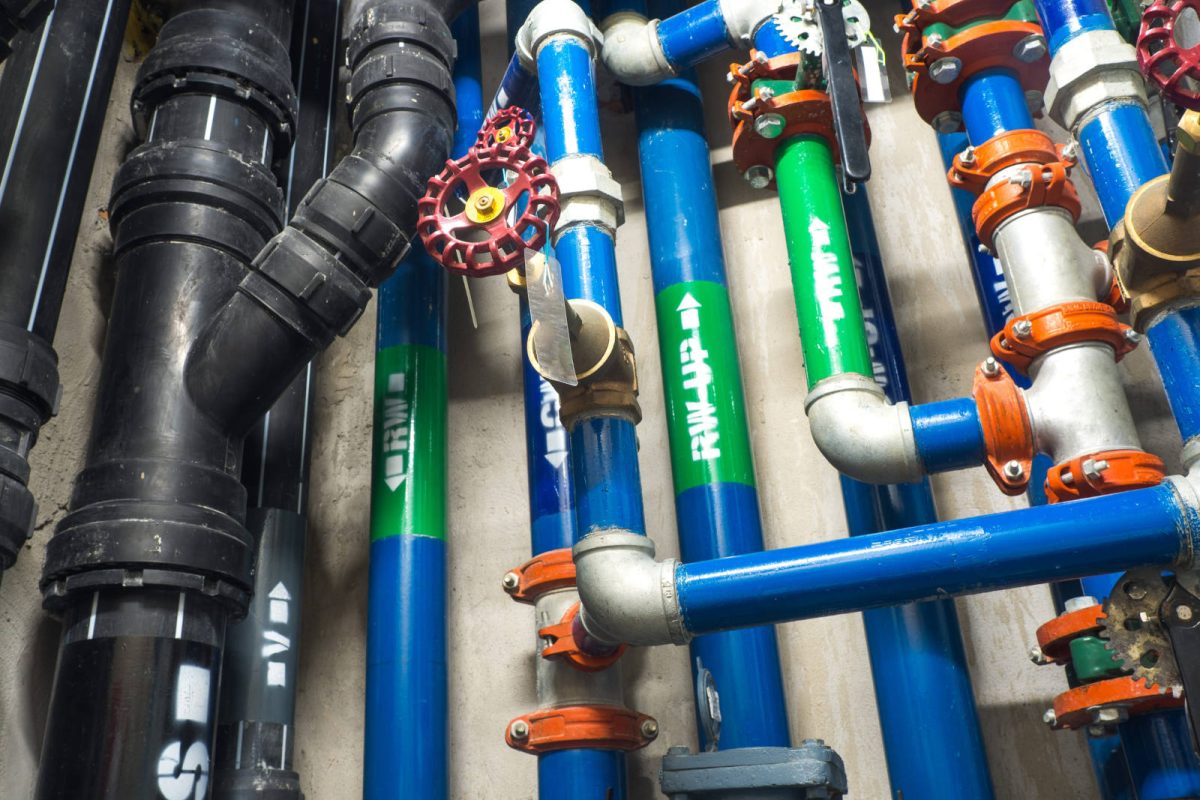
Vertical riser systems form the backbone of mechanical distribution in multi-storey buildings, connecting plant areas to services on each floor.

These installations require careful planning to ensure efficient routing, safe installation, and long-term accessibility. Coordination with structural and fire-stopping requirements is also essential.

Prefabrication is highly beneficial for riser installations, allowing sections to be assembled offsite and installed more efficiently within shafts or service risers.

Once installed, risers provide critical distribution for heating, cooling, water, and drainage systems throughout the building.

Their successful delivery depends on accurate coordination, sequencing, and installation control.

Chilled Water Systems in Commercial Buildings

Chilled water systems are essential for maintaining temperature control in large commercial and institutional buildings. They provide efficient cooling distribution across extensive areas while maintaining stable indoor environments.

These systems typically consist of central plant equipment supplying chilled water to air handling units and fan coil systems throughout the building. Proper installation is critical to ensure efficiency, reliability, and long-term performance.

Pipework design and insulation play a major role in system efficiency, helping to prevent energy loss and maintain consistent flow temperatures. Accurate installation ensures balanced distribution and effective cooling across all zones.

Chilled water systems are commonly used in offices, schools, and large public buildings where demand for climate control is continuous and varied.

Effective commissioning is essential to ensure correct flow rates, pressure balancing, and operational performance across the system.

The Role of LTHW Systems in Modern Building Efficiency

Low Temperature Hot Water (LTHW) systems remain a cornerstone of modern heating design across commercial and public buildings. Their efficiency and compatibility with low-carbon technologies make them a preferred choice in contemporary construction.

Operating at lower temperatures than traditional systems, LTHW installations reduce energy consumption and improve compatibility with heat pumps and renewable energy sources. This supports wider sustainability goals and improved building performance.

LTHW systems are highly flexible, serving radiators, air handling units, and other heat emitters across varied building types. This makes them suitable for complex environments such as schools, offices, and healthcare facilities.

Installation quality is critical to performance. Proper pipework design, correct sizing, and efficient routing all contribute to system reliability and balanced heat distribution.

Modern installation methods, including crimped and press-fit systems, allow for faster installation and improved consistency across large-scale projects.

When properly designed and installed, LTHW systems provide long-term efficiency, reliability, and comfort, forming a key part of modern building services infrastructure.

Delivering Mechanical Systems in Constrained Plantroom Environments

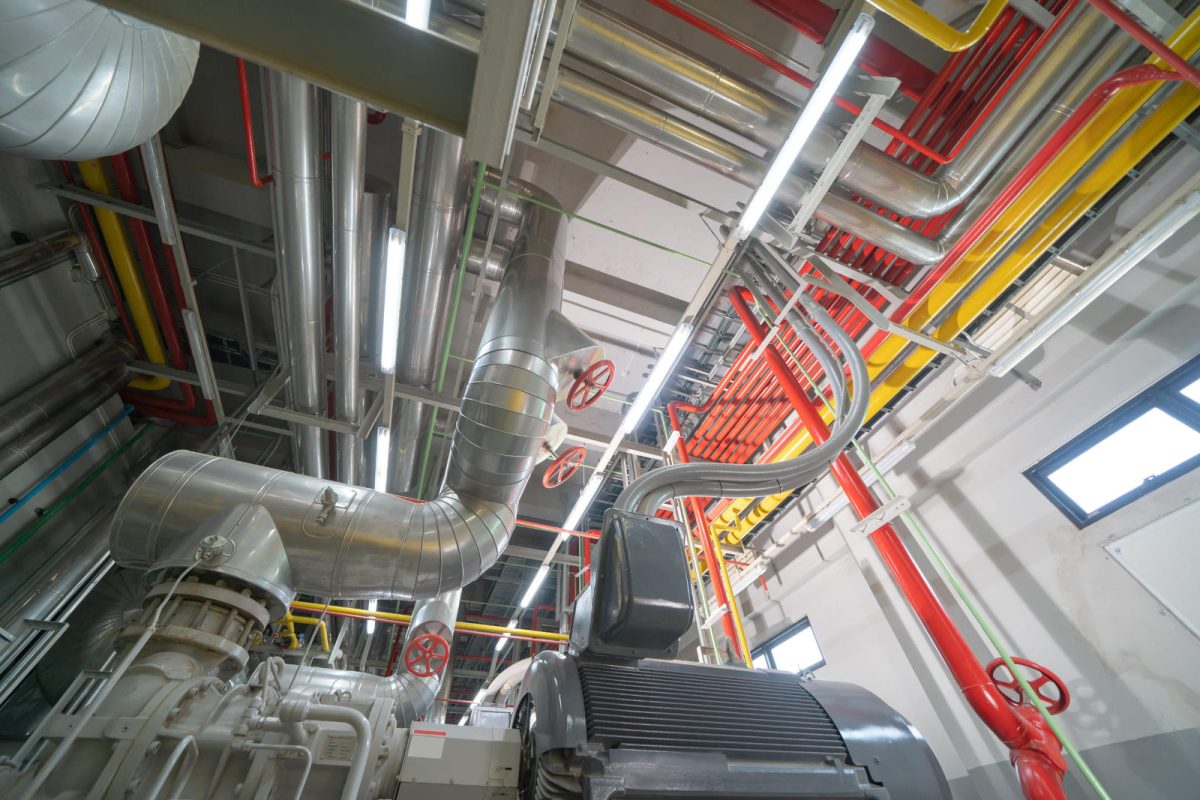
Plantrooms present some of the most challenging conditions in mechanical services installation. Space is often limited, equipment density is high, and coordination between multiple systems is critical.

Successful delivery in these environments relies on detailed planning, precise installation sequencing, and close coordination with other trades. Mechanical pipework must be carefully routed to ensure accessibility for maintenance while accommodating all required plant and services.

Prefabrication is particularly beneficial in plantrooms, allowing complex pipework sections to be pre-assembled and installed with minimal onsite adjustment. This reduces congestion and improves installation speed in restricted areas.

Safety is also a key consideration due to the confined nature of plantrooms and the presence of multiple operating systems. Careful planning ensures safe access routes and controlled installation processes.

Despite the challenges, well-executed plantroom installations are essential to the overall performance of a building. They house the critical systems that deliver heating, cooling, and water services throughout the development.